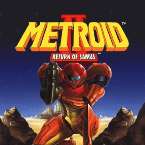



























Metroid II: Return of Samus - Nintendo Classic Game Boy Game
Explore the dangerous world of SR388 in Metroid II: Return of Samus for the Nintendo Game Boy. Hunt evolving Metroids, unlock powerful upgrades, and guide Samus Aran through one of Nintendos most influential handheld adventures.
Metroid II: Return of Samus is a classic action-adventure game released for the Nintendo Game Boy in 1991. This handheld sequel continues the story of bounty hunter Samus Aran after the events of the original Metroid. Her mission is simple on paper but dangerous in practice: travel to the planet SR388 and eliminate the entire Metroid species before they can become a threat to the galaxy once again.
Unlike many Game Boy titles of its era, Metroid II delivers a surprisingly large and atmospheric world to explore. The game places a strong emphasis on isolation, exploration, and discovery as players descend deeper into the hostile underground regions of SR388. Rather than following a straightforward path, progress comes from searching for hidden routes, uncovering upgrades, and hunting down Metroids scattered throughout the planet.
This entry also introduced several abilities and upgrades that would become important parts of the Metroid series in later games. Features such as the Spider Ball, Space Jump, and the redesigned Varia Suit made their first appearance here, helping establish mechanics that fans still associate with the franchise today.
How to Play
Players take control of Samus Aran as she explores the dangerous caverns and ruins of SR388. The main objective is to locate and defeat every Metroid living on the planet. As each group of Metroids is eliminated, environmental changes occur that open access to deeper sections of the world.
Exploration plays a major role throughout the adventure. Many areas contain hidden passages, secret upgrades, and alternate routes that reward careful observation. New abilities allow Samus to reach previously inaccessible locations, encouraging players to revisit earlier areas and uncover missed secrets.
The Metroids themselves evolve into several increasingly dangerous forms. Early encounters are manageable, but later evolutions become larger, faster, and significantly more aggressive. Learning their attack patterns and using the right strategy becomes essential as the game progresses.
Along the way, players can collect energy tanks, weapon upgrades, and mobility enhancements that improve Samus's combat abilities and survivability. Save stations are also scattered throughout the planet, allowing progress to be recorded without restarting the adventure from the beginning.
Controls
Basic Controls
- D-Pad – Move Samus left or right
- Up – Aim upward and enter doors
- Down – Crouch
- A Button ('Z' Key in Desktop) – Jump
- B Button ('X' Key in Desktop) – Fire equipped weapon
- Start – Pause the game
- Select – Switch between available weapons and abilities
Gameplay Tips
- Keep an eye on the Metroid counter to track how many creatures remain in each area.
- Search suspicious walls and dead ends for hidden passages.
- Collect upgrades whenever possible, as later Metroid forms can deal heavy damage.
- Return to previously explored areas after obtaining new abilities to uncover secrets and shortcuts.
- Save frequently at save stations to avoid losing progress during difficult sections.
Why Metroid II Still Stands Out
Despite the limitations of the original Game Boy hardware, Metroid II creates a memorable sense of exploration and loneliness that few handheld games of its time could match. Its focus on hunting powerful enemies, gradually unlocking new areas, and discovering upgrades laid the groundwork for future entries in the series. For many players, it remains an important chapter in Samus Aran's story and a fascinating look at how the Metroid formula evolved on portable gaming systems.